


REVIEW: Greensky Bluegrass’ ‘Find Ourselves Lost: The Iceland Sessions’ Documentary
The Kalamazoo progressive bluegrass powerhouse recently released the documentary, “Find Ourselves Lost: The Iceland Sessions” (via Nugs and YouTube) which recounts the group’s recording of its “The Iceland Sessions” with keyboardist Holly Bowling in 2024. Local Spins photographer and writer Anna Sink provides a review of this unique film.
The boys of Greensky Bluegrass are getting gritty with the world in their newly released documentary film, Find Ourselves Lost, that tracks the band’s Icelandic recording journey in 2024.
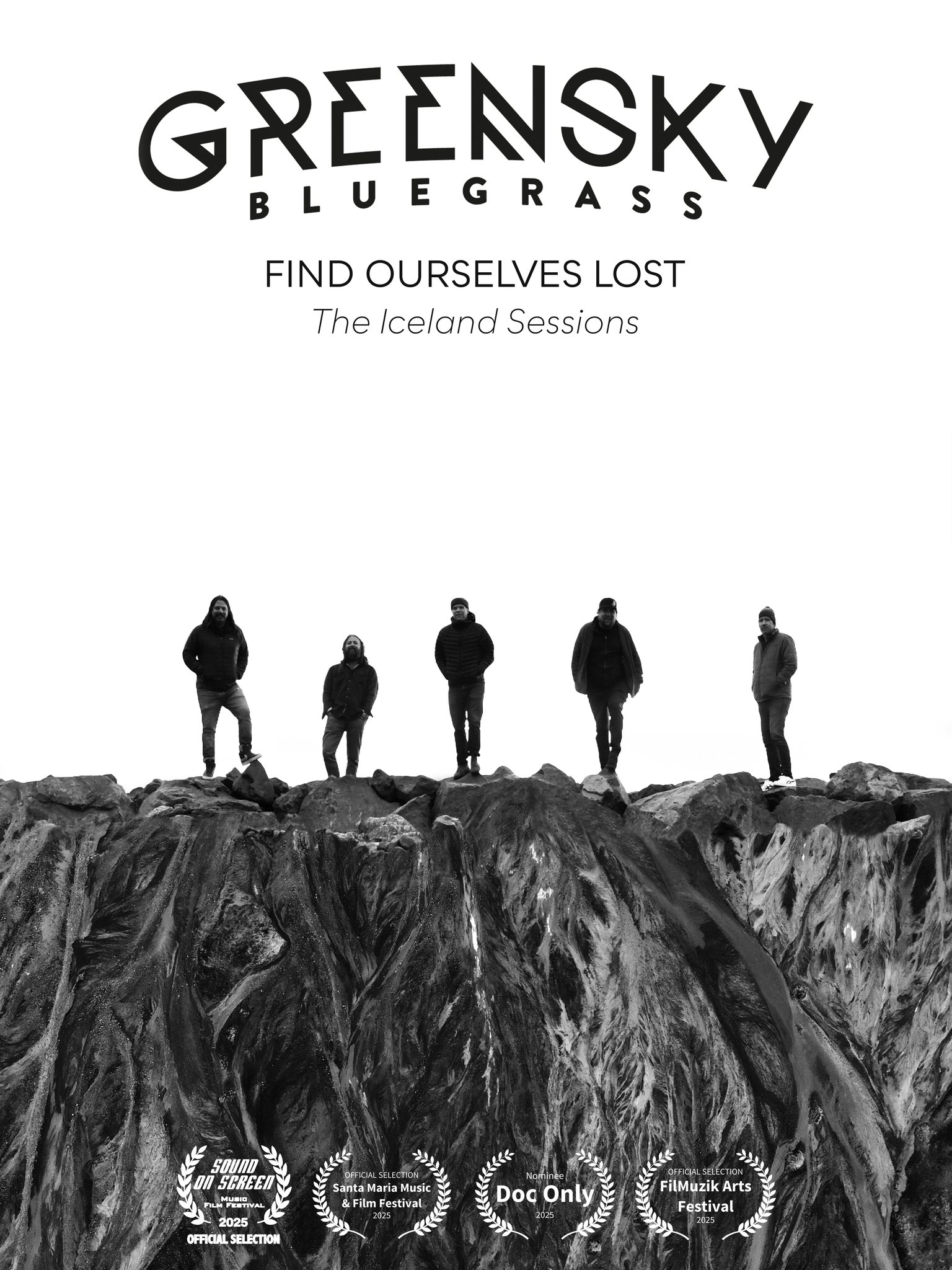
As the feature-length directorial debut from René Huemer, a music photographer and videographer who’s worked with The Rolling Stones and Phish, the piece rolls out a portrait of GSBG’s trip to Iceland to record their EP, and for the first time, offers a deeper look into creative processes of the musicians, including inner thoughts and insecurities, through intimate interview scenes plus an entirely black-and-white cinematic canvas.
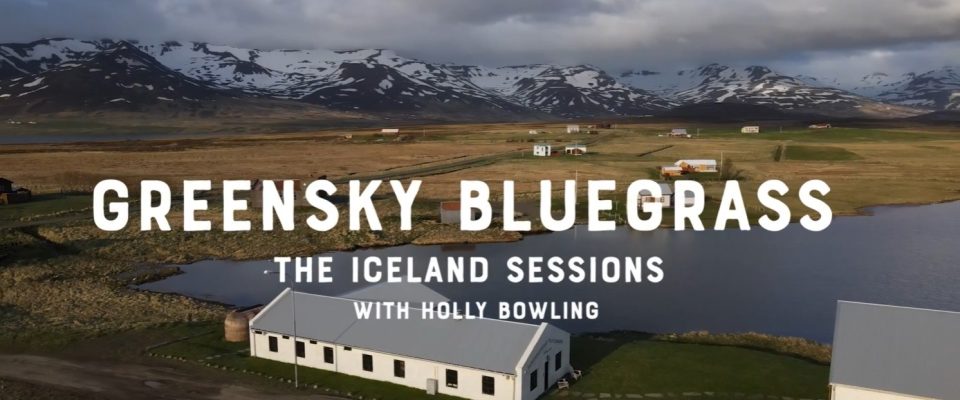
Backdropped by mind-blowing naturescapes of the unique Icelandic environment while scored with sound clips of the band’s Iceland recordings, the film immediately brings viewers into the journey of the band to this wild new land they find themselves in. The journey is creative, and early into the film we find the band members explaining the creativity inspired by Iceland, by the situation, by their own internal artistic goals.
Social media doesn’t always offer the type of insight that this kind of documentary experience can offer a fan of the band. The film is clearly different in the level of intimacy in the stories told, but more importantly reminds viewers about how musicians are people, too.
Social media posts are inherently faux in vibe, with a viewing span of 15 seconds before boredom sets in. This film gives a deeper story to the humans behind the music for viewers that actually care more than a typical social media follower would.
We hear Dave Bruzza, guitarist, describe his insecurities from growing up. We hear Paul Hoffman, mandolin, describe his insecurities about peer musician mentorees like Billy Strings and how he struggled with conflicting emotions of pride for his friend and jealousy simultaneously. These are emotional insights that we don’t always hear from the band in interviews or social media posts, and are presented in a delicate way that connects us on a deeper level to the artists.
The interaction with nature provides a meditation and humble reprieve for the band. They express how they didn’t have time to make the recordings perfect, offering a realness to the experience and a new way to hear the album for listeners. Experiencing the vulnerabilities of band members stands out as the most powerful point of this film.
There is no doubt that connecting with nature clasps an artist to creativity. It excites the viewer to see the musicians playing in the beauty of Mother Earth, and that credit goes to the filmmaker.
Also included in the documentary is producer Glenn Brown, a Michigan legend. For Mitten State music listeners, the inclusion of insight from Brown on production factors is a highly valuable documentation tidbit. We all want to be inside the heads of producers of great albums and great music. This film succeeds with gathering that piece of the experience.
Keyboardist Holly Bowling’s perspective on the process adds another valuable piece to this story. While not technically a full-time member of the band, she’s a friend and longtime collaborator with a different perspective on the group’s creative process. Seeing the way the recording pans out provides another exciting into the band’s inner workings.
Recording is different than performing live. This band is known and loved for their live performances, so it’s fascinating to see them do their studio dance, crafting a different type of project than what emerges on stage.
Band members also address sensitive issues in their interviews, including drug and alcohol abuse, divorce, emotional battles, as well as coming together above it all through their brotherly connection and music.
The band also reveals instances of creative conflict in the studio and the documentary allows them to express how it makes the work better as well. “They make the art better,” says Paul Hoffman about dealing with in-studio conflicts with his band-brothers.
“Greensky fans look like us and act like us,” Dobroist Anders Beck says of the Greensky fan community, with the documentary including scenes from 2023 performances in Iceland for an audience featuring many American fans who made the long journey to see their heroes.
Bassist Mike Devol describes the “tangible energy” of live shows. “A safe place to confront hard feelings … in a safe place,” Hoffman explains. Adding to the experience, says Beck: “What I want to do with music is make people feel, period.”
Expressing emotion remains the essential motif of not only the documentary, but of the band in general. Those who’ve seen Greensky live can attest to the emotional power of so many of their songs. The documentary exemplifies that and embraces it. Emotional experiences for both the audience and the band seem to elevate the vibe of safe spaces, friendship and free expression — something the group aims to achieve not only with their live shows, but with their studio releases and audience interactions. – By Anna Sink
Copyright 2026, Spins on Music LLC

